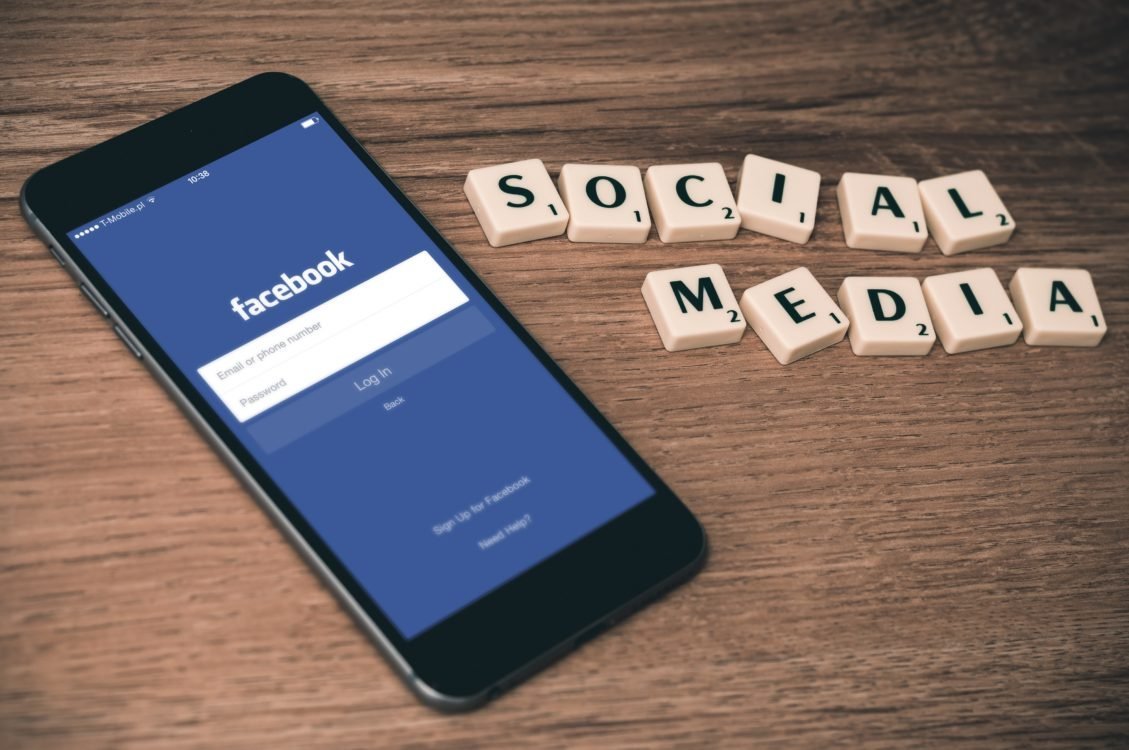
If you don’t think what you post on social media has any relevance to your immigration case, think again. Immigration officers/officials, ICE agents, and government attorneys in immigration removal cases can easily look up someone’s social media accounts just like anyone. In fact, it is something they do. They want to see if they can find evidence that supports your application for whatever immigration benefit you are applying for, or if there may be any incriminating evidence that can be used against you.
To emphasize how much social media matters to immigration officials, on March 30, 2018, the Department of State published a notice about revising the DS-260 immigrant visa form to include a question that asks the applicant to provide any identifiers used by the applicant on any social media platforms during the last 5 years. The DS-260 form must be filled out by someone who is processing at a U.S. consulate abroad who will be entering the U.S. to live here permanently as a lawful permanent resident (AKA green card holder). For example, if a U.S. citizen spouse is petitioning for his/her spouse who lives in Japan to get a green card, and the foreign-born spouse will be processing at the U.S. consulate abroad, the DS-260 visa application will have to be filled out.
On August 28, 2018, the Department of State published a similar notice for the DS-160 form, which is the application that must be filled out by someone who is applying for a nonimmigrant visa, which is a visa given to someone who will be coming to the U.S. temporarily. An example of a nonimmigrant visa is a tourist visa, so anyone applying for a tourist visa would have to fill out the DS-160 form.
Neither of these policies is in effect yet, nor do any immigration forms currently ask this question, but it raises an important issue that ALL applicants applying for any immigration benefit should think about. You might ask, “What if my account is private? Could a government official still be able to see it?” Your guess is as good as mine, but private account or not, be cognizant of what you are posting if you have an immigration case pending.
These proposals demonstrate that the government takes social media usage seriously, and they are interested in knowing what you post about. Given how ubiquitous social media is and the power of it, there may be other proposals like this in the future that could have an impact on a person’s immigration case.
 EN
 ES